
Fraud
Prevention
If you receive a call claiming to be from a fraud department and you're unsure if it's legitimate, hang up and call the number on the back of your debit or credit card, or contact the credit union immediately at 507-387-3055.
Fraud and scams can happen at any time and being prepared is the best way to prevent them. Know what to look for to stay protected.
Contact us immediately if you think someone is trying to scam you or if you are a victim of fraud. Realizing that you have fallen victim to a scam can be overwhelming. Have peace of mind knowing we're here to help. It’s important to take action immediately to prevent more fraud. Get in the habit of checking your online banking account activity on a routine basis.
SIGNS OF A POSSIBLE SCAM:
- They ask for your full card number, expiration date, CVV, PIN, password, and/or MFA code
- They pressure you to act immediately
- They ask you to transfer money or move funds to "protect" your account
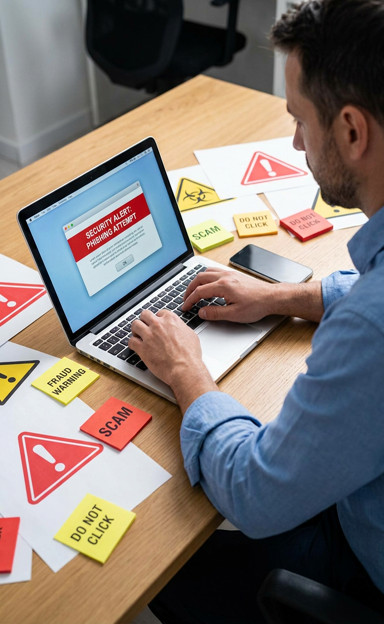

What Not To Do & Red Flags
Do Not:
- Ever share your account information with anyone.
- Believe called ID. Scammers make it look like they are calling from an official number. It's called "spoofing."
- Assume a website is safe because it shows it's protected and secure.
- Click on any links, especially in an unsolicited email.
Red Flags:
- Huge discounts on items are a sign that it could be a scam.
- Be cautious of urgent calls to action. Scammers want you to act immediately to avoid a supposed penalty.
- Being offered an unsolicited prize or debt relief, but you have to pre-pay to get it.
- Spelling errors or bad grammar are common in scam emails.
Be Vigilant:
- Look at the email address of the sender. Does it look like a business email?
- If something feels odd, rushed, or too good to be true — it's worth pausing to think things through. Trust your gut.

Password Guidelines
- Do not reuse passwords. If one account gets hacked and you have used that password for other accounts, they are easier to get hacked as well.
- Create passwords that are lengthy and complex using uppercase letters, numbers and symbols.
- Change passwords often.
- Consider purposely spelling a word wrong within your password.
- Examples: Dayzee or D@1zy instead of Daisy
- Do not use personal information or yours or loved ones birth dates in your passwords. As much as possible, don't use words that can be found in the dictionary.
- Use a password (gate-keeper) storing app on your smart phone to store passwords within an account that requires one Master Password.
- If you receive a password reset email that you did not request, do not click it.
Report Fraud to the FTC
If you’ve been scammed or think you’ve encountered fraud online
The Federal Trade Commission collects reports about fraud so they can track trends and help stop scammers. If you’ve experienced a scam, attempted scam, or suspicious activity, use the link below to report it directly to the FTC.
Report fraud: https://reportfraud.ftc.gov/
Identity Theft Help & Recovery
Get step-by-step support if your identity has been stolen
IdentityTheft.gov is the official U.S. government site that walks you through what to do if your personal information has been compromised. You can create a recovery plan, report the identity theft, and get personalized checklists to protect your credit and accounts.
Start your recovery plan: https://www.identitytheft.gov/